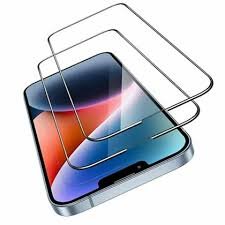
Tempered glass, also known as toughened glass, is a type of safety glass that is processed through controlled thermal or chemical treatments to increase its strength compared to normal glass. It is widely used in both residential and commercial settings due to its enhanced durability and safety features.
What is Tempered Glass?
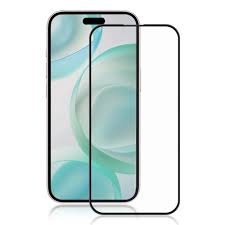
Tempered glass is made by heating standard annealed glass to high temperatures (typically over 600°C or 1,112°F) and then rapidly cooling it. This process compresses the outer surfaces of the glass and puts the interior into tension, making it much stronger than untreated glass.
The result is a product that is up to five times stronger than standard glass of the same thickness. This added strength makes it more resistant to impact and heat.
Key Features of Tempered Glass
1. High Strength
Tempered glass can withstand greater impact and pressure than regular glass. It is less likely to break from stress, pressure, or heat.
2. Safety
When tempered glass does break, it shatters into small, blunt pieces instead of sharp shards. This reduces the risk of serious injury, making it ideal for environments where safety is a priority.
3. Heat Resistance
Tempered glass can tolerate sudden temperature changes (thermal shock) much better than regular glass. This makes it suitable for environments with extreme temperature variations. Tempered Glass
4. Scratch and Wear Resistance
While not completely scratch-proof, tempered glass resists surface scratches better than standard glass, especially when used for mobile screens or tabletops. Tempered Glass
Common Applications
Tempered glass is used in a wide range of industries and applications, including:
-
Automobiles – side and rear windows in vehicles
-
Architecture – doors, windows, curtain walls, facades
-
Furniture – tabletops, shelves, and cabinets
-
Electronics – screen protectors for smartphones, tablets, and TVs
-
Showers and Partitions – used in frameless glass shower doors and office dividers
-
Kitchenware – used in oven doors, cookware, and cutting boards
Differences Between Tempered and Laminated Glass
While both tempered and laminated glass are types of safety glass, they serve different purposes:
-
Tempered Glass is stronger and breaks into safe fragments.
-
Laminated Glass consists of layers bonded with plastic, holding the glass in place even when shattered (commonly used in windshields).
Limitations of Tempered Glass
Despite its strength and safety, tempered glass has a few drawbacks:
-
Cannot Be Cut or Drilled After Tempering – Any alterations must be made before the tempering process.
-
Spontaneous Breakage – Although rare, impurities like nickel sulfide can cause the glass to shatter unexpectedly.
-
Cost – Slightly more expensive than regular glass due to the tempering process.
Conclusion
Tempered glass is an essential material in modern architecture, automotive manufacturing, and consumer electronics. Its strength, thermal resistance, and safety features make it a preferred choice wherever durability and user protection are critical. Whether it’s in a smartphone screen protector or a skyscraper’s glass façade, tempered glass helps make our everyday environments safer and more reliable
Common Applications
Tempered glass is used in a wide range of industries and applications, including:
-
Automobiles – side and rear windows in vehicles
-
Architecture – doors, windows, curtain walls, facades
-
Furniture – tabletops, shelves, and cabinets
-
Electronics – screen protectors for smartphones, tablets, and TVs
-
Showers and Partitions – used in frameless glass shower doors and office dividers
-
Kitchenware – used in oven doors, cookware, and cutting boards
Differences Between Tempered and Laminated Glass
While both tempered and laminated glass are types of safety glass, they serve different purposes:
-
Tempered Glass is stronger and breaks into safe fragments.
-
Laminated Glass consists of layers bonded with plastic, holding the glass in place even when shattered (commonly used in windshields).
Limitations of Tempered Glass
Despite its strength and safety, tempered glass has a few drawbacks:
-
Cannot Be Cut or Drilled After Tempering – Any alterations must be made before the tempering process.
-
Spontaneous Breakage – Although rare, impurities like nickel sulfide can cause the glass to shatter unexpectedly.
-
Cost – Slightly more expensive than regular glass due to the tempering process.T
Conclusion
Tempered glass is an essential material in modern architecture, automotive manufacturing, and consumer electronics. Its strength, thermal resistance, and safety features make it a preferred choice wherever durability and user protection are critical. Whether it’s in a smartphone screen protector or a skyscraper’s glass façade, tempered glass helps make our everyday environments safer and more reliable