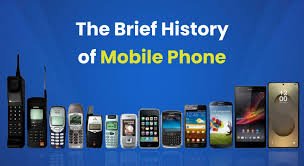
Mobile phones have evolved from simple communication tools into powerful devices that play an integral role in our daily lives. From making calls to streaming videos, managing work, and navigating the world, mobile phones have transformed how we live, work, and connect.
A Brief History
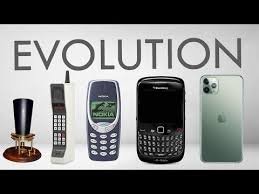
The first mobile phone was introduced by Motorola in 1983 — the DynaTAC 8000X. It was bulky, expensive, and offered just 30 minutes of talk time. Over the decades, phones have dramatically changed:
-
1990s: Mobile phones became smaller and more affordable.
-
2000s: The arrival of smartphones like the BlackBerry and later the iPhone redefined mobile usage.
-
2010s to Present: Modern smartphones now feature high-resolution cameras, AI-powered apps, and near-desktop-level performance.
Key Features of Modern Mobile Phones
-
Touchscreen Interfaces: Easy navigation and app usage.
-
Internet Connectivity: Access to web, email, and cloud storage.
-
High-Quality Cameras: Used for photography, scanning, and video calls.
-
Apps and Ecosystems: Millions of apps enable gaming, learning, social networking, and more.
-
Biometric Security: Fingerprint sensors and facial recognition for secure access.
Impact on Society
-
Communication: Instant messaging, video calls, and social media have revolutionized how we stay in touch.
-
Business and Productivity: Mobile apps and tools support remote work and global collaboration.
-
Education: Mobile learning has opened access to knowledge anywhere, anytime.
-
Healthcare: Telemedicine and health-tracking apps aid in patient care and monitoring.
-
Entertainment: Mobile devices serve as platforms for music, movies, games, and books.
Challenges
Despite their advantages, mobile phones come with some challenges:
-
Addiction and Overuse
-
Privacy and Data Security
-
E-Waste and Environmental Impact
-
Social Isolation in Some Cases
The Future of Mobile Phones
Emerging technologies such as 5G, foldable screens, augmented reality (AR), and AI are shaping the future of mobile devices. Phones will continue to become smarter, faster, and more integrated into our lives — potentially evolving into wearable or even implantable tech.
Conclusion
Mobile phones have become more than just communication tools — they are indispensable digital companions. As technology advances, mobile devices will continue to shape the future of human interaction, work, and entertainment